Honey from fir trees, heather and hollow living trees
Poland has 2.4 million bee colonies and six honeys with EU-protected names, yet it imports more honey than it exports. Its tree beekeeping is on UNESCO’s list, and a Silesian priest explained where drone bees come from.
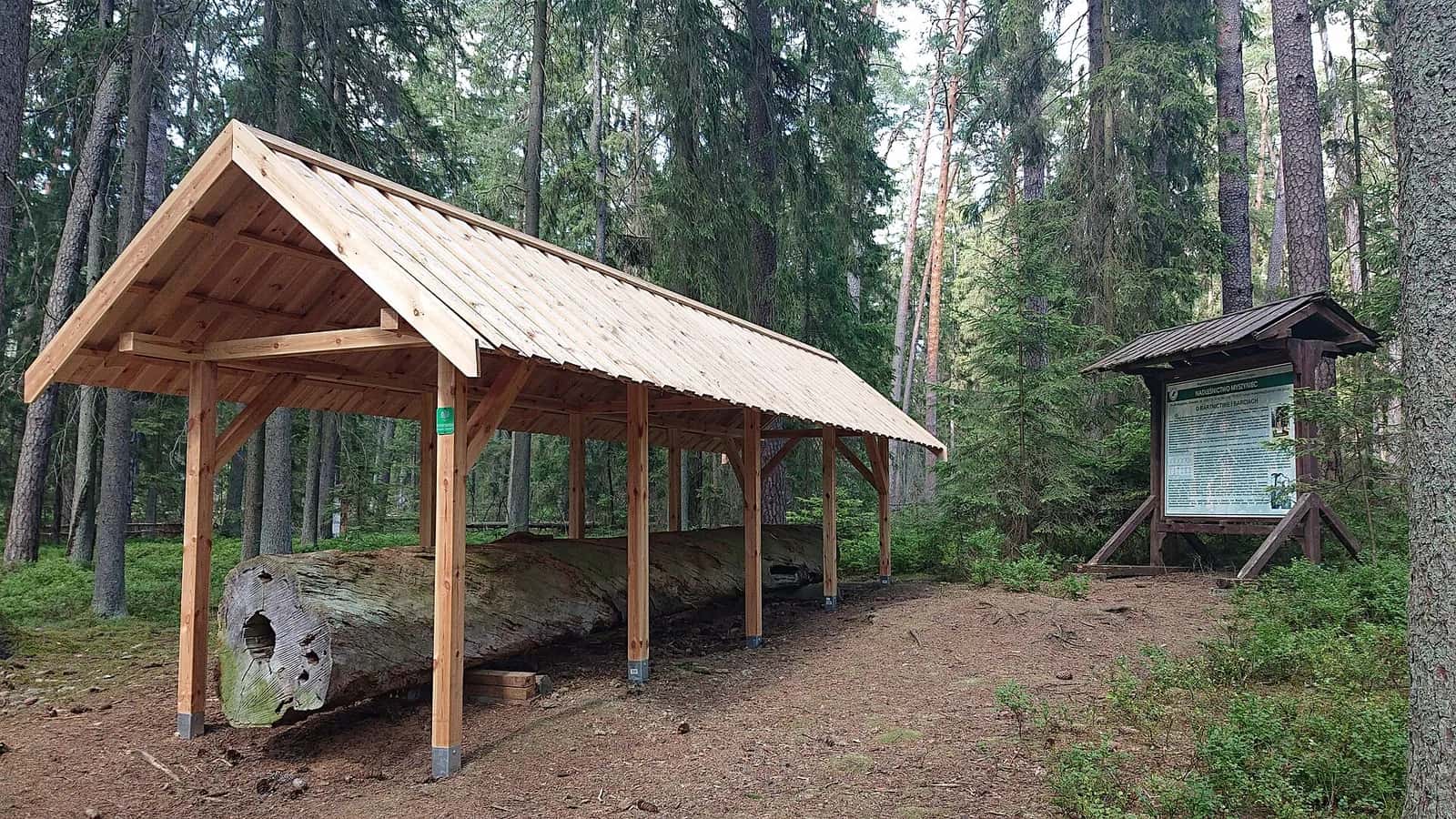
Poland has 2.4 million bee colonies, an average of 7.7 per square kilometer. They are kept by 96,600 beekeepers, most of them hobbyists with a handful of hives. Those are the figures in the National Institute of Horticultural Research’s report on beekeeping in 2025.
Six Polish honeys have EU-protected names, from heather honey from the Lower Silesian Forest to honeydew honey from the Beskid Wyspowy hills. Even so, Poland imports more honey than it exports, and since June 2026 a blend sold in Poland, as across the EU, must list every country of origin with its percentage share.
Beekeeping here also has a long past. Tree beekeeping, keeping bees in hollows cut into living trees, has been on UNESCO’s intangible heritage list since 2020, and in 1845 a Silesian priest, Jan Dzierżon, worked out which eggs drone bees hatch from.
How much honey does Poland produce?
In the 2023 season Poland produced 27.4 thousand metric tons of honey, 14% more than the year before, according to the National Institute of Horticultural Research. Lubelskie province produced the most, about 4,000 tons, and Opolskie the least, about 590. An analysis by the Institute of Agricultural and Food Economics shows output more than doubled from 12.7 thousand tons in 2020.
In an August 2025 reply to a parliamentary question, the agriculture ministry gave a record 31 thousand tons for 2024. 2025 was weaker. More colonies died over the winter, spring was cold and long, frosts came, then heat and drought. In southern Poland there was no honeydew flow at all.
Hobby apiaries took an average of 16 kg of honey per colony in 2023 and commercial ones about 29 kg, with big regional differences, from 10.5 kg in Małopolska to 52 kg in Lubuskie. Beekeepers sold 85% of their honey straight from the apiary. In 2023 Poland shared fourth place among EU producers with Spain, behind Germany, France and Romania, with 11% of EU output.
Where in Poland are the most hives?
The eastern macroregion holds the largest share of colonies, 24.1%, followed by the north with 17.6%. The Mazowieckie macroregion around Warsaw has the fewest. The average Polish apiary has 24 colonies, below the EU average of 29. Only 2.3% of beekeepers run apiaries of more than 80 colonies, but between them they keep over 360,000 colonies, about 15% of the total.
The number of hives grew for a decade, from 1.448 million in 2015 to 2.42 million in 2024. In 2025 it fell for the first time in years, to 2.40 million, and the number of beekeepers dropped from 99,000 to 96,600, partly because veterinary registers were cleaned up. In its 2023 report, using European Commission figures from 2022 for other countries, the same institute ranked Poland third in the EU by number of colonies, after Spain and Romania.
Why does Poland import honey?
Because it eats more than it makes. In 2024 Poland exported 12.2 thousand tons of honey worth €34.4 million and imported 26.6 thousand tons worth €47.1 million. From January to October 2025 almost 53% of imports came from China, at about €1 per kilogram, and about 25% from Ukraine, at €1.9. Polish honey went mainly to Italy, Germany and France.
Self-sufficiency is improving. According to the Institute of Agricultural and Food Economics, it rose from 49.5% in 2021 to 67.5% in 2023. Poland has 108 honey packing plants and about 28,000 operators who sell honey directly.
New labeling rules have applied since June 14, 2026. EU Directive 2024/1438 replaced the vague “blend of EU and non-EU honeys” with a requirement to list each country of origin with its percentage share, largest first. Poland put this into law with an agriculture ministry regulation of November 4, 2025, allowing a tolerance of ±5%. The directive notes that EU checks found a high share of honey on the market suspected of adulteration.
Which Polish honeys are protected by the EU?
The agriculture ministry’s list includes six honeys registered in the EU. Three are Protected Designations of Origin (PDO), meaning every stage of production happens in the defined region. Three are Protected Geographical Indications (PGI). All six are also on Poland’s national List of Traditional Products.
The EU honey directive allows up to 20% water in honey and up to 23% in heather honey. The Polish specifications are stricter, from 22% for Lower Silesian heather honey down to 17.5% for Beskid Wyspowy honeydew honey.
- Miód wrzosowy z Borów Dolnośląskich (heather honey from the Lower Silesian Forest), PGI since 2008: the first Polish honey on the EU register.
- Miód kurpiowski (Kurpie honey), PGI since 2010: multifloral honey from the Kurpie region.
- Podkarpacki miód spadziowy (Subcarpathian honeydew honey), PDO since 2010: from fir honeydew in the Bieszczady and Low Beskid mountains.
- Miód drahimski (Drahim honey), PGI since 2011: from the Drawsko Lakeland, in five varieties.
- Miód z Sejneńszczyzny / Łoździejszczyzny (Sejny/Lazdijai honey), PDO since 2012: a joint registration by Poland and Lithuania.
- Miód spadziowy z Beskidu Wyspowego (Beskid Wyspowy honeydew honey), PDO since 2020: the newest of the six.
What is honeydew honey from the Bieszczady and Beskid Wyspowy?
Honeydew is a sweet liquid excreted by insects that feed on trees. Bees gather it from the branches as they gather nectar from flowers. Subcarpathian honeydew honey comes from silver fir honeydew, which must make up at least 70% of the honey. It may be collected in 17 forest districts, including Rymanów, Komańcza, Lesko, Baligród, Cisna, Wetlina and Lutowiska, and in the Bieszczady and Magura national parks. It ranges from dark brown with green glints to almost black and tastes of resin.
The specification adds a detail: the Stuposiany forest district has the thickest fir in Polish forests, with a girth of 505 cm. Forest beekeepers worked here long ago; an ordinance for the beekeepers of Łańcut, Kańczuga and Tyczyn dates from 1478. In 1967 more than 1,000 tons of forest honeydew honey were bought up in the region, much of it for export.
Beskid Wyspowy honeydew honey comes only from Limanowa and Myślenice counties, from honeydew produced on firs by the green fir aphid. It may contain no more than 17.5% water and must have an electrical conductivity of at least 1.20 mS/cm, well above the EU minimum of 0.8 for honeydew honey. It is dark green, turning green-gray to brown when it crystallizes. The local “Dobra” line of bees has been under genetic-resource protection since 2014.
Heather, Kurpie, Drahim and Sejny honey: how do they differ?
Heather honey from the Lower Silesian Forest must contain at least 50% heather pollen and often has up to 80%. When liquid it is amber to reddish amber, only slightly sweet, sharp and a little bitter. It is the most expensive honey in Poland. In 2025 buyers paid an average of 45 zł per kilogram for it wholesale, and it retailed at an average of 91.2 zł. Popular multifloral and rapeseed honeys fetched 11.9 zł wholesale and conifer honeydew honey 29.5 zł.
Kurpie honey is a multifloral honey in which no single plant may account for more than 30% of the pollen and all crops together no more than 10%. The area covers the Kurpie region of Mazowieckie province, from Kadzidło and Myszyniec to Czarnia and Łyse, plus three communes in Podlaskie. In 1401 Duke Janusz of Masovia issued rules here regarded as the first statute for forest beekeepers.
Drahim honey takes its name from Drahim, the old name of Stare Drawsko. It is collected in the communes of Czaplinek, Wierzchowo, Barwice and Borne Sulinowo in five varieties: buckwheat, heather, rapeseed, linden and multifloral. About 400 organic farms grow some 1,120 hectares of buckwheat in the area. Sejny/Lazdijai honey is a multifloral honey from the Polish-Lithuanian borderland, from willows, maples, dandelions, raspberries, alder buckthorn and clover.
How do bees make honey, and why does it crystallize?
The nectar foragers bring in is thin. In a Swiss study published in PLoS ONE in 2016 it had a median sugar content of 31%, while honey in capped cells had 84.8%. The bees evaporate most of the water, which takes one to eleven days. The last stage is still going on as they start sealing the cell with wax, a race against honey drawing moisture back from the air. Enzymes from the bees’ glands do the rest: invertase splits sucrose into glucose and fructose, and glucose oxidase produces hydrogen peroxide, which is key to honey’s antibacterial action.
Crystallization is natural and, according to Poland’s food quality inspectorate, does not lower honey’s quality. It depends on the sugars: the less fructose relative to glucose and the less water, the faster honey sets. Rapeseed honey, the most typical in Poland, is liquid at harvest but crystallizes very quickly, turning from pale yellow to white or creamy. Acacia honey can stay liquid for years, while linden and buckwheat honeys crystallize slowly, over months, with coarser crystals. Heather honey first sets like jelly, and its crystals do not sink. Honey crystallizes fastest at 13–15.5°C, and the crystals dissolve when warmed above 30°C.
How can you tell fake honey?
The EU’s “From the Hives” coordinated action covered 320 samples of imported honey taken between November 2021 and February 2022. 147 of them, 46%, were suspected of breaching the honey directive. The most suspicious consignments came from China, 66 of 89, from Turkey 14 of 15, and from the United Kingdom all 10. Fraudsters added sugar syrups, tuned blends to pass import tests, added colorings, forged documents and filtered out pollen to hide the origin. As a result 340 tons of honey were rejected at the border or withdrawn.
In Poland, the food quality inspectorate checked 98 businesses in one recent round, 47 shops and 51 producers or packers, and found irregularities at 40.8% of them. Labeling errors affected almost one batch in three, and pollen analysis failed to confirm the declared variety in one in five. In one case pollen from plants foreign to Poland’s climate disproved a claim of Polish origin.
The inspectorate’s guide of July 2026 explains how to read the label. A blend must list countries of origin with their shares, for example “Polska 70 %, Hiszpania 20 %, Chiny 10 %”. A “Produkt polski” logo does not replace that information. The inspectorate considers “natural” and “no preservatives” misleading, because all honey is natural and none may contain preservatives. Only beekeepers in the organic control system may use “bio” or “eko”. The World Health Organization warns against giving honey to babies under one year old, because of the risk of infant botulism.
What threatens bees in Poland?
Every spring beekeepers count their winter losses. In a survey by the Warsaw University of Life Sciences, run with the international COLOSS network, 10.4% of colonies died over the winter of 2023/2024, at the edge of what Poland considers acceptable. Podlaskie was worst hit, at 26%, and Wielkopolskie least, at 4%. The year before, losses were 8.3%, and in 2017–2020 between 10.7% and 13.9%. The main cause is the Varroa destructor mite and the viruses it spreads; 98.6% of respondents treated their bees against it. After the winter of 2024/2025 the National Institute of Horticultural Research reported higher losses, without giving a figure.
The state helps. In 2025 beekeepers could claim 50 złoty for each colony that survived the winter; almost 42,000 decisions were issued for 73.1 million złoty, covering about 1.46 million colonies. Keeping one colony cost on average 512 złoty a year in hobby apiaries and 577 złoty in commercial ones, according to the institute. There is also a new enemy. According to National Geographic Polska, on October 19, 2026, the first nest of the invasive Asian hornet in Poland was removed at Wielka Wieś near Kraków; the hornet hunts honeybees returning to the hive.
What is pollination worth?
More than honey. Jarosław Majewski of the Warsaw University of Life Sciences calculated that in May, when rapeseed and orchards bloom, Poland needed about 3.75 million hives for average pollination of its crops, and its bees covered about 30% of that. Rapeseed alone needed more than 2.4 million colonies in 2009, when the country had 1.12 million. He put the value of honeybee pollination of the main crops in 2008 at 0.6–1.2 billion złoty, about 60% of it in orchards.
Honeybees do not work alone. Poland’s Ministry of Climate and Environment says more than 490 other species of wild bees have been recorded in Poland, only about 10% of them social. Wild bees usually forage within a few hundred meters, honeybees up to several kilometers. In 2017 the UN General Assembly proclaimed May 20 World Bee Day.
What is the difference between półtorak and czwórniak?
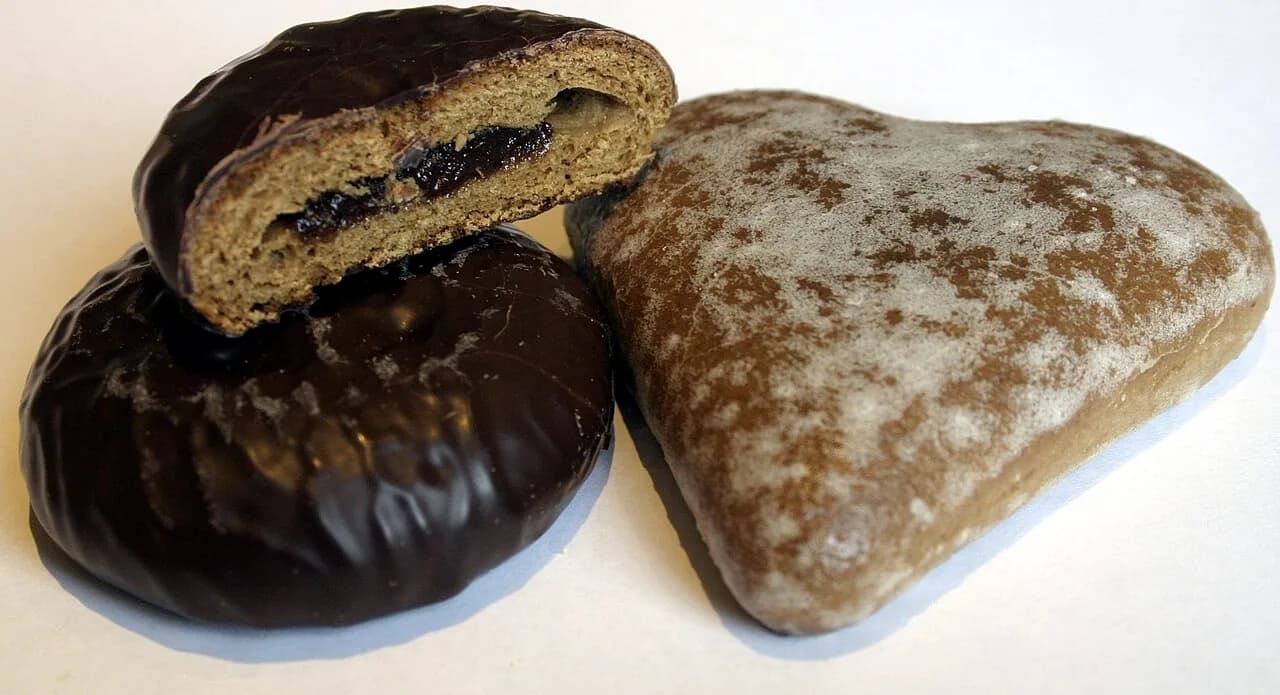
The ratio of honey to water. Poland’s four traditional meads have been registered in the EU since 2017 as Traditional Specialities Guaranteed, with the words “staropolski tradycyjny” (traditional Old Polish) in their names. The four-way split entered Polish law in 1948, and the specifications cite 17th- and 18th-century sources, Pan Tadeusz and Sienkiewicz’s Trilogy. According to the półtorak specification, mead has been made in Poland for more than a thousand years, with the first written records from the 10th century.
- Półtorak: 1 part honey to half a part water, 15–18% alcohol, aged at least 3 years.
- Dwójniak: 1 part honey to 1 part water, 15–18% alcohol, at least 2 years.
- Trójniak: 1 part honey to 2 parts water, 12–15% alcohol, at least a year.
- Czwórniak: 1 part honey to 3 parts water, 9–12% alcohol, at least 9 months.
What is tree beekeeping, and why is it on UNESCO’s list?
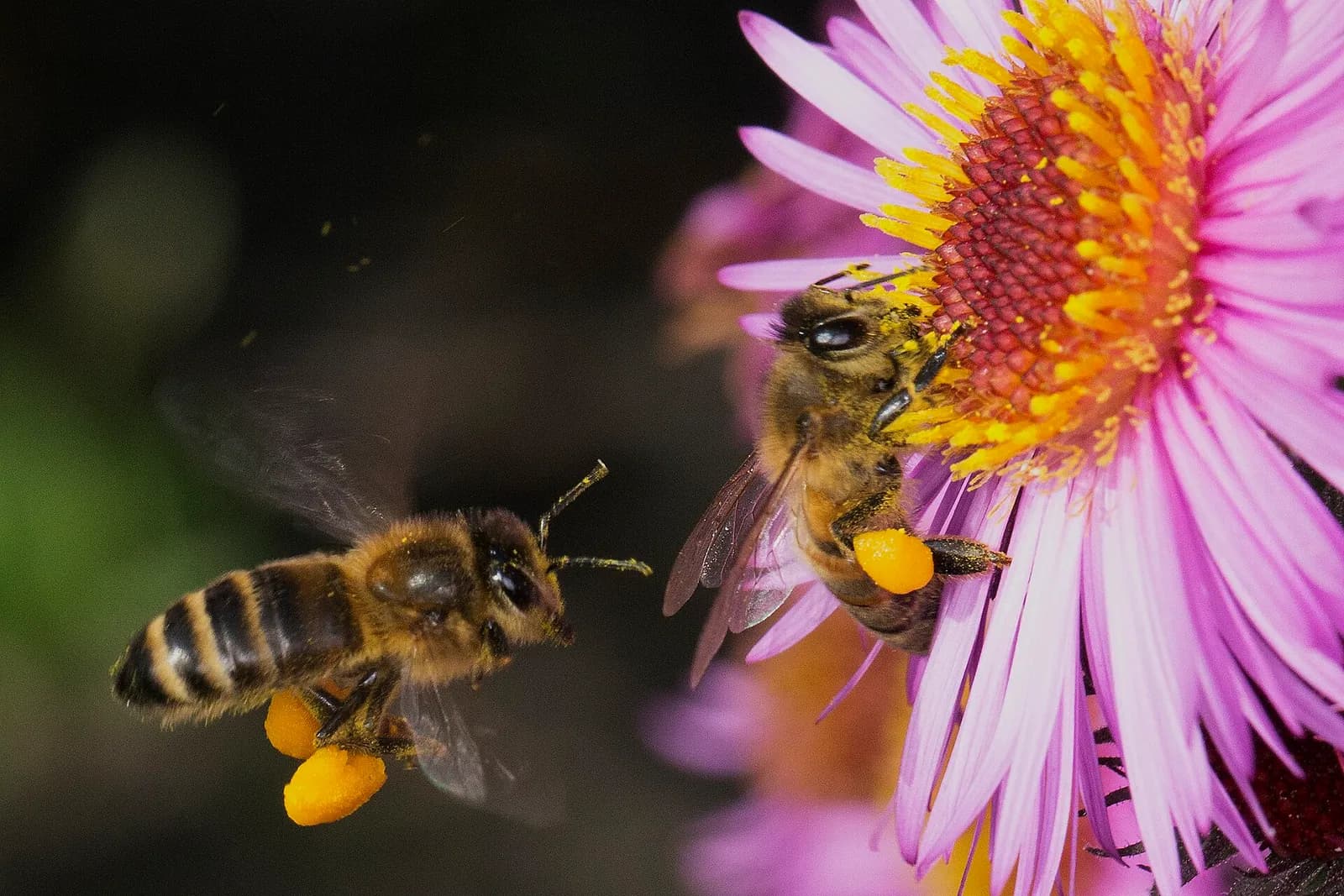
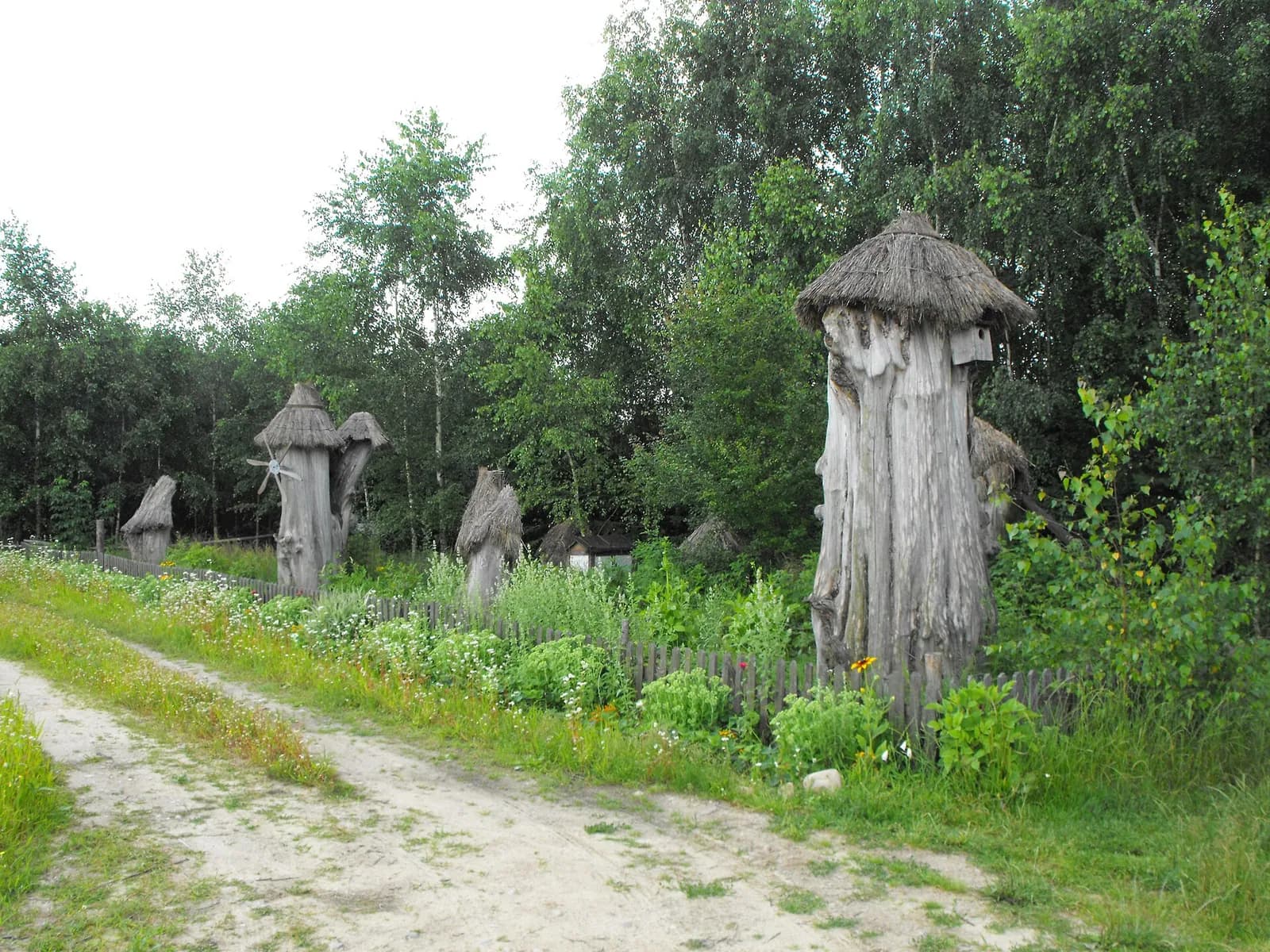
A tree beekeeper keeps bees in hollows cut into living trees, called barcie, or in kłody, sections of trunk. The beekeeper does not interfere with the colony’s life or try to increase the harvest. When access to forests was restricted under the partitions of Poland, beekeepers cut out the hollow sections of trunk and carried them to their villages, which is how log hives came to stand beside houses.
Each tree beekeeper marked his trees with an inherited bee mark, a kind of signature, and these marks are still in use. On June 4, 2016, tree beekeeping was added to Poland’s national inventory of intangible cultural heritage, thanks to the Bractwo Bartne of Augustów, which revived the craft from the last four people in the Augustów Forest with family knowledge of it. In 2020 tree beekeeping culture, nominated jointly by Poland and Belarus, was inscribed on UNESCO’s Representative List of the Intangible Cultural Heritage of Humanity, Poland’s second entry after the Kraków nativity scenes.
Since 2021 the State Forests have run a project in the Augustów Forest to save the local Augustów bee, cutting tree hives and hanging log hives across five forest districts. The wild population of this bee line is estimated at 700 to 800 colonies.
What did Father Jan Dzierżon discover?
Dzierżon was born on January 16, 1811, in Łowkowice near Kluczbork in Silesia, into a Polish farming family. He was ordained in 1834 and from 1835 to 1868 was parish priest in Karłowice near Brzeg.
In 1845 he found that worker bees and queens develop from fertilized eggs and drones from unfertilized ones, a form of virgin birth called parthenogenesis. According to Professor Jerzy Woyke of the Warsaw University of Life Sciences, the claim set off a debate among biologists that lasted fifty years. The Kluczbork museum also credits Dzierżon with movable top-bars carrying a strip of starter comb and a box hive that could be taken apart. The University of Munich gave him an honorary doctorate in 1872. He died on October 26, 1906, and is buried in Łowkowice.
On October 13, 2026, the 120th anniversary of his death, the Polish Senate adopted a resolution honoring his achievements. It calls him the “Copernicus of the hive” and notes that his hive with movable combs let beekeepers observe a colony without destroying it. It also recalls that Dzierżon described himself as Polish by birth and German by upbringing, and said science knows no borders.
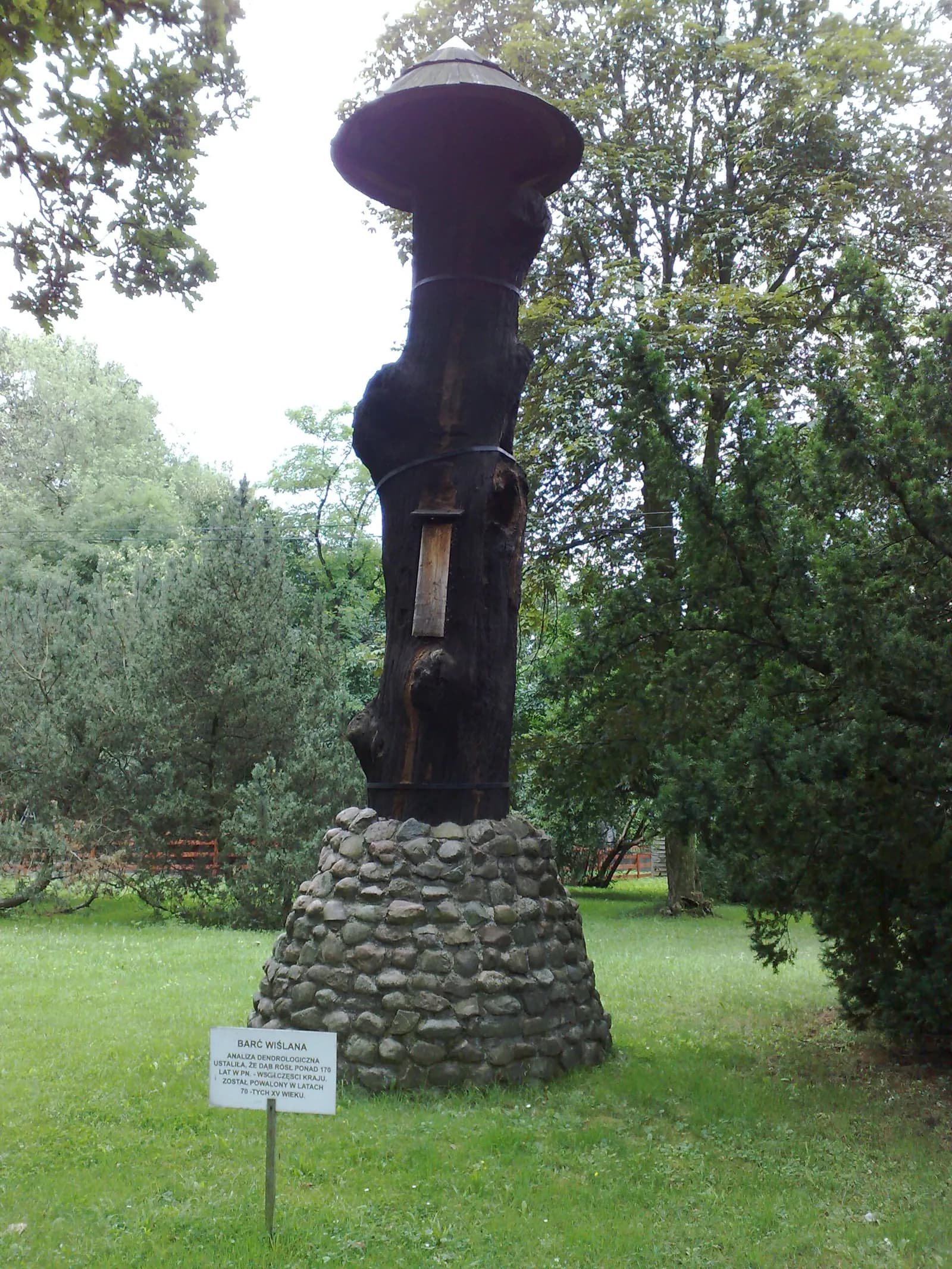
Where can you see old hives and tree hives?
The history of Polish hives is on show at the Ryszard Kostecki Beekeeping Open-Air Museum in Swarzędz, near Poznań. The open-air site dates from 1963 and since 1999 has been a branch of the National Museum of Agriculture in Szreniawa, which describes it as a collection of hives unique in Europe, covering the history of tree beekeeping and beekeeping in Poland. Suburban bus 401 runs there from Poznań.
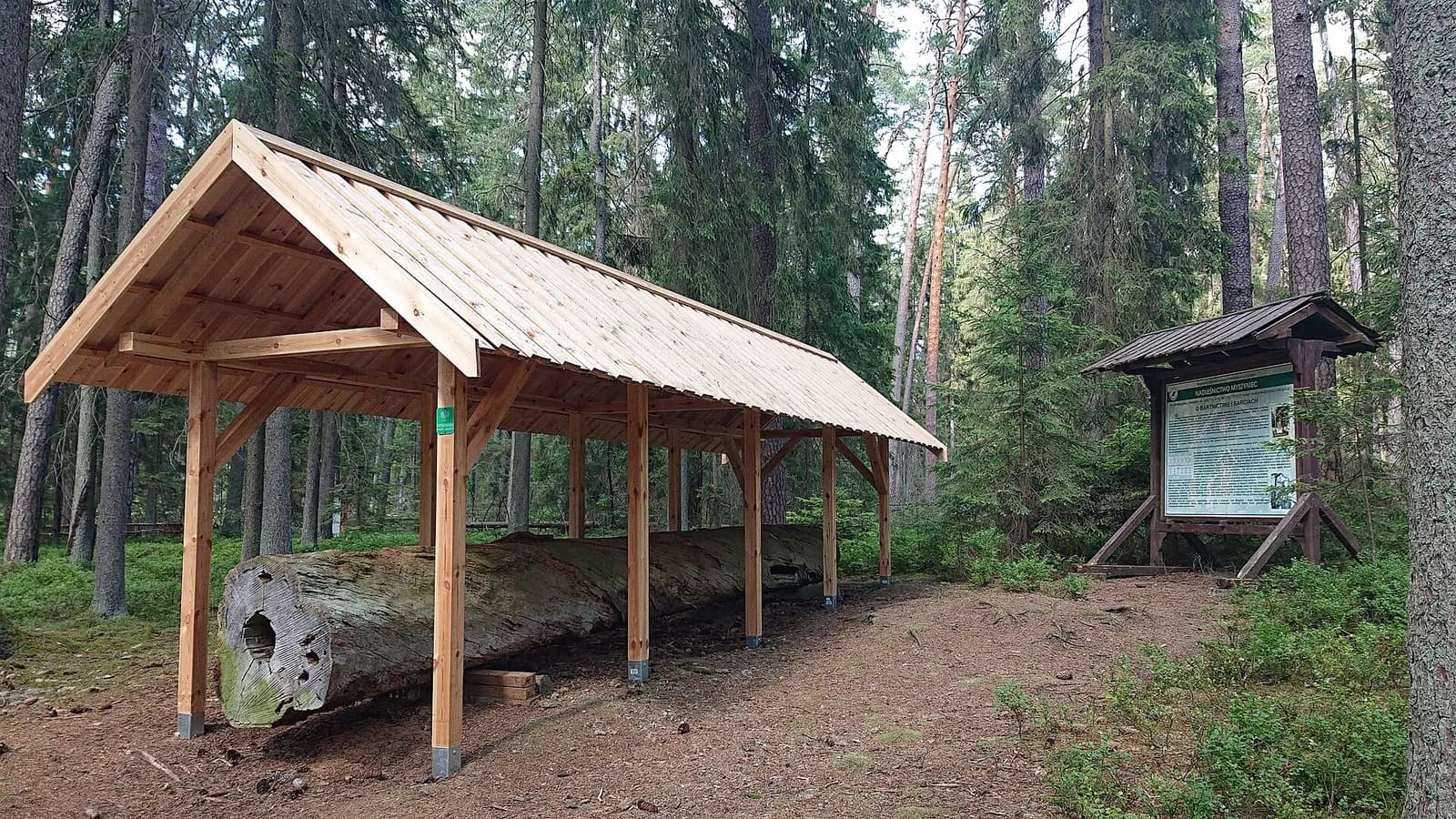
The Jan Dzierżon Museum in Kluczbork keeps his manuscripts in Polish and German, his medals and his hives. It has an exhibition on old and new beekeeping, a pavilion of folk figure hives from the 1970s and 1980s and a free outdoor display that runs from log hives to box hives. You can also see log hives in the countryside, for example at an apiary near Kleszczele in Podlaskie.
Timeline
- 1401Duke Janusz of Masovia issues what is regarded as the first statute for forest beekeepers.
- 1478An ordinance for the beekeepers of Łańcut, Kańczuga and Tyczyn.
- 1845Jan Dzierżon reports that drones develop from unfertilized eggs.
- 1963The beekeeping open-air museum in Swarzędz is founded.
- 2008Lower Silesian heather honey becomes the first Polish honey on the EU register.
- 2016Tree beekeeping joins Poland’s national intangible heritage inventory.
- 2020Tree beekeeping culture is inscribed by UNESCO; Beskid Wyspowy honeydew honey gets EU protection.
- 2024A record 31 thousand tons of honey, according to the agriculture ministry.
- June 14, 2026New labels: honey blends must list each country of origin with its share.
Practical info
- Swarzędz
- Beekeeping Open-Air Museum, 35 Poznańska Street. From Poznań, bus 401 to the Skansen stop.
- Kluczbork
- Jan Dzierżon Museum, 10 Zamkowa Street, with an outdoor display of hives.
- Augustów Forest
- Tree hives and log hives in the forest districts where the Bractwo Bartne works.
- Tickets
- Opening hours and prices are on the websites of the museums in Szreniawa and Kluczbork.
Questions and answers
How much honey does Poland produce?
27.4 thousand metric tons in 2023, according to the National Institute of Horticultural Research. The agriculture ministry gave a record 31 thousand tons for 2024. The 2025 harvest was lower because of frost, drought and no honeydew in the south.
Which Polish honeys have EU protection?
Six: Lower Silesian heather honey, Kurpie honey and Drahim honey (PGI), and Subcarpathian honeydew honey, Sejny/Lazdijai honey and Beskid Wyspowy honeydew honey (PDO).
What is the most expensive honey in Poland?
Heather honey. In 2025 it fetched an average of 45 zł per kilogram wholesale and retailed at an average of 91.2 zł.
How much water can honey contain?
Under the EU honey directive, no more than 20%, or 23% for heather honey. Poland’s protected honeys have stricter limits, from 22% for Lower Silesian heather honey to 17.5% for Beskid Wyspowy honeydew honey.
What must a honey label show from 2026?
Since June 14, 2026, a blend of honeys from different countries must name every country of origin on the label, largest share first, with each country’s percentage.
Where does Poland import honey from?
From January to October 2025 almost 53% of imports came from China and about 25% from Ukraine. In 2024 Poland imported 26.6 thousand tons of honey and exported 12.2 thousand tons.
What is tree beekeeping?
Keeping bees in hollows cut into living trees, or in hollow sections of trunk. Since 2020 the tree beekeeping culture of Poland and Belarus has been on UNESCO’s intangible heritage list.
Why does honey crystallize?
It is a natural process that depends on the ratio of fructose to glucose and on water content. Rapeseed honey crystallizes very fast, while acacia honey can stay liquid for years. The crystals dissolve when warmed above 30°C.
Can babies eat honey?
No. The World Health Organization warns against giving honey to children under one year old because of the risk of infant botulism.
What is dwójniak?
A mead made from one part honey to one part water, with 15–18% alcohol, aged at least two years. It is one of four traditional Polish meads protected in the EU.
Sources
- National Institute of Horticultural Research, beekeeping in Poland in 2025 (PDF, in Polish) (opens in a new tab)
- Eyer, Neumann, Dietemann, A Look into the Cell: Honey Storage in Honey Bees, PLoS ONE 2016 (opens in a new tab)
- European Commission: the From the Hives action, 2021–2022 (opens in a new tab)
- IJHARS: honey labeling and inspection results (in Polish) (opens in a new tab)
- GIJHARS, guide to honey labeling (2026, PDF, in Polish) (opens in a new tab)
- WHO: botulism fact sheet (opens in a new tab)
- Warsaw University of Life Sciences: bee colony losses after the winter of 2023/2024 (in Polish) (opens in a new tab)
- Mazur, Czopowicz, Gajda, winter colony losses in Poland, Insects 2022 (opens in a new tab)
- Jarosław Majewski, the value of crop pollination in Poland (2011, PDF, in Polish) (opens in a new tab)
- Resolution of the Polish Senate of October 13, 2026, on the 120th anniversary of Jan Dzierżon’s death (PDF, in Polish) (opens in a new tab)
- FAO: World Bee Day (opens in a new tab)
- Commission Implementing Regulation (EU) 2017/1898: traditional Old Polish meads (opens in a new tab)
- Półtorak staropolski tradycyjny, amendment published in OJ C 214 (2020, PDF) (opens in a new tab)
- National Institute of Horticultural Research, report on beekeeping in 2025 (PDF, in Polish) (opens in a new tab)
- National Institute of Horticultural Research, report on beekeeping in 2023 (PDF, in Polish) (opens in a new tab)
- Ministry of Agriculture, reply to parliamentary question 10933 (2025, PDF, in Polish) (opens in a new tab)
- Semkiw, the Polish beekeeping sector, Journal of Apicultural Science 2025 (opens in a new tab)
- Pawłowska-Tyszko, Institute of Agricultural and Food Economics, the honey market in Poland and the EU (2025, in Polish) (opens in a new tab)
- Ministry of Agriculture, Polish names registered in the EU (in Polish) (opens in a new tab)
- Official Journal of the EU: specification for Miód wrzosowy z Borów Dolnośląskich (in Polish) (opens in a new tab)
- Official Journal of the EU: specification for Miód kurpiowski (in Polish) (opens in a new tab)
- Official Journal of the EU: specification for Podkarpacki miód spadziowy (in Polish) (opens in a new tab)
- Official Journal of the EU: specification for Miód drahimski (in Polish) (opens in a new tab)
- Official Journal of the EU: specification for Sejny/Lazdijai honey (in Polish) (opens in a new tab)
- Official Journal of the EU: specification for Miód spadziowy z Beskidu Wyspowego (in Polish) (opens in a new tab)
- Council Directive 2001/110/EC relating to honey (consolidated) (opens in a new tab)
- Directive (EU) 2024/1438: country of origin labeling for honey (opens in a new tab)
- UNESCO: Tree beekeeping culture (2020) (opens in a new tab)
- Polish Ministry of Culture: tree beekeeping on the UNESCO list (in Polish) (opens in a new tab)
- National Heritage Board of Poland: national inventory of intangible cultural heritage (opens in a new tab)
- National Fund for Environmental Protection: the Augustów bee project (in Polish) (opens in a new tab)
- Jerzy Woyke on bees and parthenogenesis, Academia (Polish Academy of Sciences) 2013 (PDF, in Polish) (opens in a new tab)
- Jan Dzierżon Museum in Kluczbork: the museum’s patron (in Polish) (opens in a new tab)
- National Museum of Agriculture: the Beekeeping Museum in Swarzędz (in Polish) (opens in a new tab)