Mushroom picking: a Polish national sport with its own rules
Show on mapIn state forests you can pick mushrooms for your own use without permits or fees. But there are places and days when it is better to stay home.
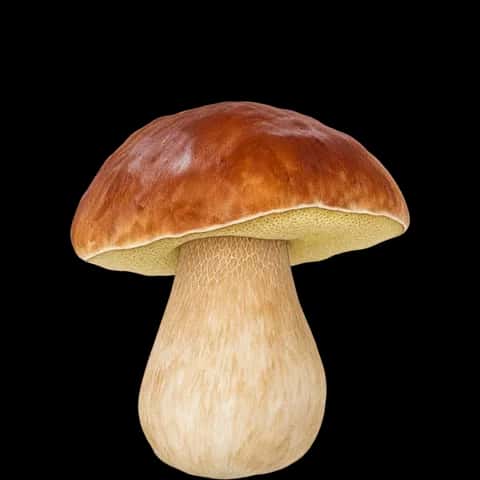
In Book III of “Pan Tadeusz,” Poland’s national epic, Adam Mickiewicz sends a whole manor house to the woods: mushrooms were everywhere, the young ladies chase the porcini, which folk songs call the “colonel of mushrooms,” and everyone hunts for saffron milk caps. Almost 200 years later, mushroom picking (grzybobranie) is still a Polish ritual. In a 2018 CBOS survey, 77% of adults said they had picked mushrooms at some point and 43% had done so in the past season.
The rules are simple and generous. Poland’s Forest Act opens state forests to anyone gathering mushrooms and berries for their own use, with no fee, no permit and no weight limit. Forest covers 29.6% of Poland, and most of it is run by the State Forests (Lasy Państwowe). Still, there are places you may not enter, and rules many pickers have never heard of.
There is an economy behind the basket too. In 2024, buying stations purchased 4,001 tonnes of fresh wild mushrooms from pickers for PLN 69.4 million, and Poland is the largest producer of button mushrooms in the European Union.
Is mushroom picking free in Poland? What the Forest Act says
The rules come from articles 26 and 27 of the 1991 Forest Act. State-owned forests are open to the public, and gathering forest produce for your own needs requires no permission. The law sets no limit in kilograms. Commercial picking is different: it requires a contract with the local forest district (nadleśnictwo), and the district forester refuses one if the harvest would harm the forest.
Entry bans are the main limit. Permanently closed are plantations of young trees up to 4 m tall, research plots, seed stands, wildlife refuges, river and stream springs, and areas at risk of erosion. All except the young plantations must be signposted. Forest districts also impose temporary bans when fire risk is high, after a stand is damaged, for example by a storm, and during forestry work. Current bans appear on the State Forests’ online map and in the mBDL app.
Private forests are another matter. The owner may ban entry by putting up a sign, and decides whether picking is allowed. In every forest the same rules from article 30 apply: no destroying mushrooms or mycelium, no raking or removing leaf litter, and no picking in signposted no-picking zones. Cars may only use public roads or forest roads marked as open to traffic, and park in marked spots.
Can you pick mushrooms in Polish national parks?
National parks and nature reserves fall under the 2004 Nature Conservation Act. Its article 15 bans gathering wild plants and fungi except in places designated by the park director, or, in a reserve, by the regional environmental director. The same article bans destroying fungi.
Some parks and reserves designate such places and others do not, and the rules can change. Before a trip, check the current order on the park’s website or that of the regional environmental directorate.
Species protection applies everywhere, including ordinary forests: a 2014 Ministry of Environment regulation protects a number of fungus species. Poland’s Ministry of Health reminds pickers not to destroy poisonous or inedible mushrooms, since many of them are protected. The State Forests add that such mushrooms break down organic matter and feed other organisms.
When is mushroom season, and what do Poles pick?
The sanitary inspectorate treats August, September and October as peak season and steps up checks on the fresh mushroom trade then. But picking starts earlier and ends later. Porcini fruit from May to November, yellow knights grow in pine forests from October to December, and the velvet shank fruits until March.
Poles have their favorites. In the CBOS survey, 80% named porcini, 54% bay boletes, 41% chanterelles, 30% slippery jacks and 23% birch boletes. Saffron milk caps, which Mickiewicz called the tastiest of all, got only 12%, the same as parasol mushrooms. Most households dry their mushrooms (83%), pickle them (61%) or freeze them (41%), and only 1% of households sell them.
For many it is a steady habit. Two in five of those who picked in the past season went to the woods at least once a week. The most active pickers are men (48%), people aged 45–64 (54%) and rural residents (53%).
Where to pick mushrooms in Poland: pine forests and numbered posts
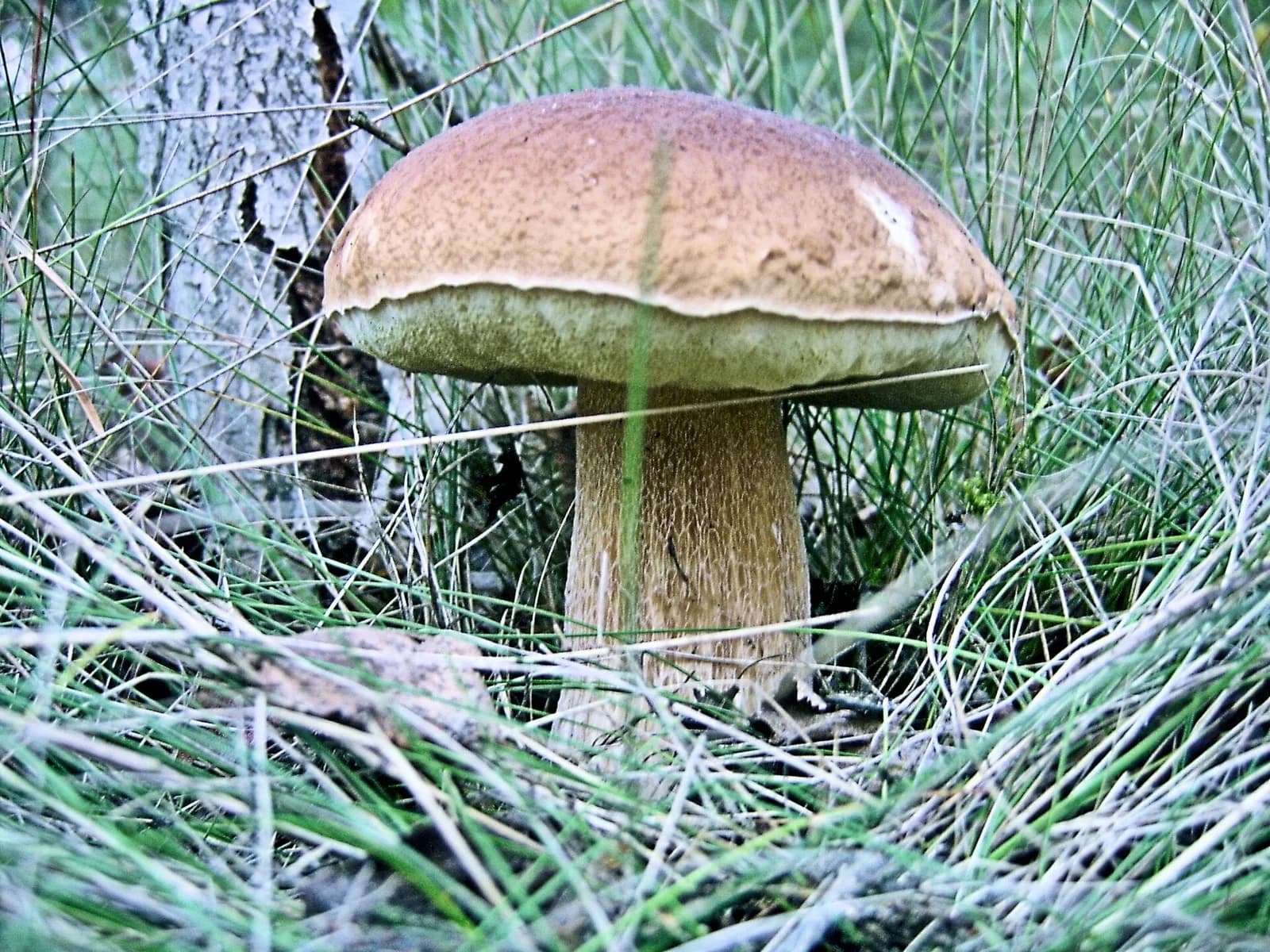
Mushrooms grow all over the country, and different forests yield different baskets. Dry pine forests on sand, such as the Noteć Forest in western Poland or the Tuchola Forest in the north, are known for bay boletes, slippery jacks and porcini. Broadleaf woods with oak, beech and hornbeam host more species, but also more death caps. Porcini form partnerships with the roots of many trees and are most abundant in mountain spruce forests.
It is easy to get lost in a large forest, especially with your eyes on the ground. Look for compartment posts (słupki oddziałowe): stone posts with white tops and numbers on their sides. The numbers identify forest compartments, blocks averaging about 25 hectares. Numbering runs from northeast to southwest, and a post number given to rescuers lets them locate you quickly.
Before setting out, charge your phone and install mBDL, the State Forests’ free app with maps of forest compartments and current entry bans. The State Forests also suggest saving the local forester’s phone number, listed on each forest district’s website.
A basket, not a plastic bag: how to pick mushrooms
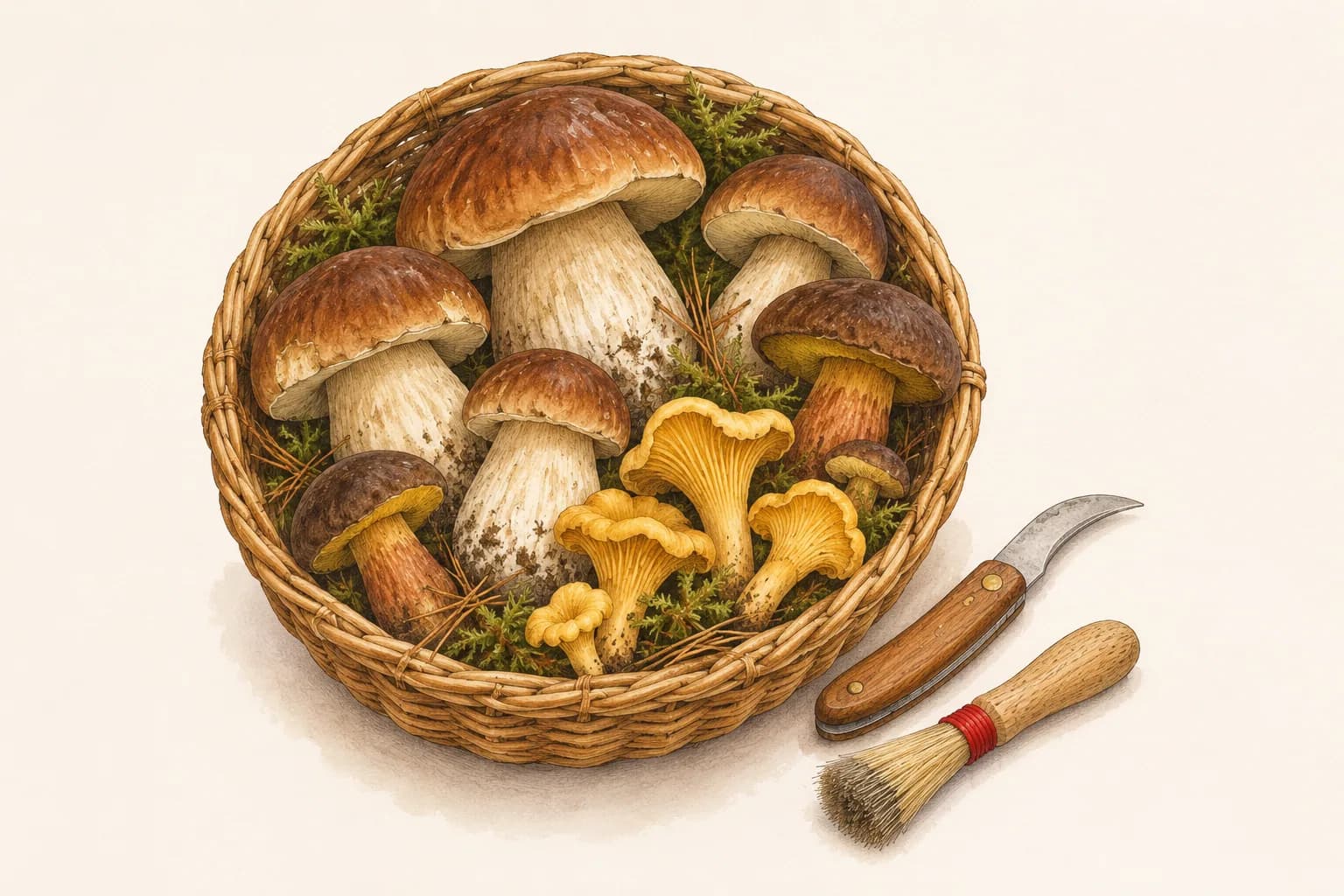
The classic kit is a wicker basket and a small knife. The basket is not just tradition: in a plastic bag mushrooms sweat, get crushed and spoil quickly, which is why both the sanitary inspectorate and the Ministry of Health recommend airy baskets. Crushed pieces also make an expert’s job harder.
Mushrooms brought to a sanepid station should be whole, with the stem base, fresh and not nibbled by slugs: old, rotting or dried ones will not be assessed. At the end of 2024 Poland had 2,237 certified mushroom experts, and each station posts its own consultation hours.
- pick only species you know for certain; if in doubt, leave it in the forest
- choose mature specimens with fully developed features, since young ones cause the most mistakes
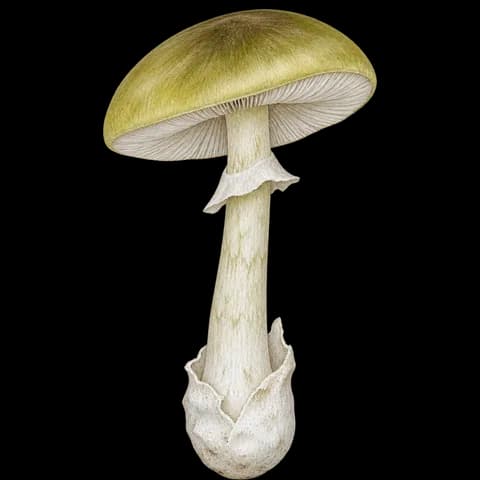
- lift out and inspect the whole mushroom, including the stem base, where the death cap hides its bulb and volva
- avoid ditches, edges of busy roads and areas near dumps, as mushrooms accumulate heavy metals
- do not rake the leaf litter or destroy mycelium or mushrooms you are not picking
- beginners should stick to boletes with a sponge under the cap, as none of them is deadly, though some are poisonous or inedible
- show any uncertain finds to an expert at the sanepid: checks for personal use are free
Should you cut a mushroom or pull it up?
For 27 seasons, from 1977 to 2003, researchers returned to the same plots in the Swiss fungus reserve at Chanéaz. They cut edible mushrooms on some plots, lifted them whole on others and left a third group unpicked. With either picking method, they found no drop in the number of mushrooms or species appearing in later seasons. There is still a practical reason to keep the stem base. A mushroom expert checking your basket needs to see the whole specimen.
At a second site, Moosboden, the team fitted some plots with raised walkways so they could count mushrooms without setting foot on the forest floor. They estimated that about 30% fewer mushrooms came up on the plots where people walked on the ground than on those where they used the walkways.
What did mushroom pickers tell a botanist in 1883?
In 1883 the Kraków botanist Józef Rostafiński put out a questionnaire about useful plants. He added questions about mushrooms in later versions. Replies about fungi survive from 29 people. More than a century later Łukasz Łuczaj and Piotr Köhler went back to the letters. The correspondents had recorded the names people actually used at home and in the woods, a detail most field guides leave out.
Stanisława Okolska sent in 53 names from just two villages near Sieradz, Zabłocie and Dziwle. The researchers traced them to at least 27 species. Maria Hempel, writing from Janów county, recorded names for poisonous mushrooms as well as edible ones. Even a list from a single district could take considerable work to translate into modern species names.
Where does an autumn basket go in the Low Beskids?
In the district of Uście Gorlickie, saffron milk caps found their way into stoneware crocks layered with onion rings. Poland’s agriculture ministry added the local fermented mushrooms to its list of traditional foods in 2017. Its entry describes their sour, salty taste and dates the local fashion for fermenting and pickling them to the years between the world wars. Earlier generations had roasted, boiled or fried their catch.
The fermented caps had a place of their own at the table. One local dish is żur, a sour soup served with the mushrooms and potatoes. The spa village of Wysowa-Zdrój even holds a festival for the saffron milk cap. A survey box marked “preserves” would tell you little about the onions in the crock or the soup this particular basket was gathered for.
How many mushrooms do Poles pick, and what are they worth?
Most mushrooms go straight to home kitchens, so there are no full harvest statistics. What Statistics Poland (GUS) does count is purchases. In 2024, buying stations bought 4,001 tonnes of fresh wild mushrooms for PLN 69.4 million, well up from 2,831 tonnes for PLN 48.5 million a year earlier. Chanterelles led (1,503 t), ahead of bay boletes (1,289 t) and porcini (1,136 t).
The trade has strict rules. Wild mushrooms may be sold to consumers only in shops and at markets, and only with a certificate: for fresh mushrooms it can come from a mushroom expert or a classifier, for dried ones only from an expert. Dried wild mushrooms must be sold packaged. A bucket of porcini on a roadside, with no certificate, does not meet these rules.
Poland’s real mushroom power, though, is indoors. According to the National Agricultural Support Center (KOWR), Polish growers harvested 360,000 tonnes of button mushrooms in 2024 and exported 245,000 tonnes, or 68%. Exports were worth almost 558 million euros, with Germany, the United Kingdom and France the biggest buyers.
Timeline
- 1682Stanisław Czerniecki’s “Compendium ferculorum,” the oldest surviving Polish cookbook, includes mushroom recipes.
- 1834In Book III of Adam Mickiewicz’s “Pan Tadeusz,” a whole manor goes mushroom picking.
- 1959Poland’s postal service issues a “Mushrooms of Poland” stamp series, including the chanterelle and the death cap.
- 1991The Forest Act opens state forests to gathering forest produce for personal use.
- 2004The Nature Conservation Act bans picking in national parks and reserves outside designated places.
- 2011A Ministry of Health regulation lists 44 mushrooms approved for sale.
- 2018CBOS survey: 77% of Polish adults have picked mushrooms at some point.
- 2022The list of mushrooms approved for sale grows to 72 entries.
- 2024Buying stations purchase 4,001 tonnes of fresh wild mushrooms for PLN 69.4 million.
Questions and answers
Do you need a permit to pick mushrooms in Poland?
No. In state forests, picking mushrooms for your own use is free and needs no permit. Only commercial picking requires a contract with the forest district.
Is there a limit on how many mushrooms you can pick in Poland?
The Forest Act sets no weight limit for picking for your own needs. Larger-scale picking for commercial purposes requires a contract with the forest district.
Can you pick mushrooms in Polish national parks?
Generally not. The Nature Conservation Act bans picking in national parks and nature reserves, except in places designated by the park director or the regional environmental director.
Can you pick mushrooms in a private forest in Poland?
The owner of a private forest can ban entry with a sign and decides whether picking is allowed. In state forests, picking for personal use is allowed outside areas under an entry ban.
Can you sell wild mushrooms in Poland?
Only with a certificate from a mushroom expert or classifier, and only in shops or at markets. Dried wild mushrooms need an expert’s certificate and must be packaged.
How do I check if a Polish forest is closed to visitors?
Use the entry-ban map of the State Forests’ Forest Data Bank or the mBDL app. Bans are also marked on site with “zakaz wstępu” (no entry) signs stating the reason and dates.
Sources
- Wikipedia: Mushroom picking (in Polish) (opens in a new tab)
- Lasy Państwowe, the State Forests (in Polish) (opens in a new tab)
- Forest Act, consolidated text (in Polish) (opens in a new tab)
- Nature Conservation Act, consolidated text (in Polish) (opens in a new tab)
- Polish Ministry of Health regulation on mushrooms approved for sale (in Polish) (opens in a new tab)
- Statistics Poland: Statistical Yearbook of Forestry 2025, tables 15 and 16 (opens in a new tab)
- CBOS: mushroom picking survey, 2018 (in Polish) (opens in a new tab)
- Chief Sanitary Inspectorate: public health report for 2024 (in Polish) (opens in a new tab)
- Egli et al. (2006), long-term effects of picking mushrooms and trampling the forest floor (opens in a new tab)
- Łuczaj and Köhler, mushrooms in Rostafiński’s 1883 questionnaire (in Polish) (opens in a new tab)
- Polish agriculture ministry, fermented saffron milk caps from Uście Gorlickie (in Polish) (opens in a new tab)
- Chief Sanitary Inspectorate: choosing mushrooms safely (in Polish) (opens in a new tab)
- Ministry of Health: safe mushroom picking (in Polish) (opens in a new tab)
- Forest Data Bank: map of entry bans (in Polish) (opens in a new tab)
- State Forests: compartment posts as a hiker locator (in Polish) (opens in a new tab)
- Interia: State Forests on the mushroom season (in Polish) (opens in a new tab)
- Interia: how to bring mushrooms to the sanepid (in Polish) (opens in a new tab)
- PAP: Poland leads EU button mushroom production and exports, KOWR data (in Polish) (opens in a new tab)
- Wolne Lektury: Adam Mickiewicz, “Pan Tadeusz” (in Polish) (opens in a new tab)