Three-toed woodpeckers breed in the Polish Sudetes for the first recorded time since 1896
In the Mały Śnieżnik reserve, researchers watched a pair of three-toed woodpeckers feeding at least two chicks. The previous confirmed breeding record for the species in Silesia dates to 1896.
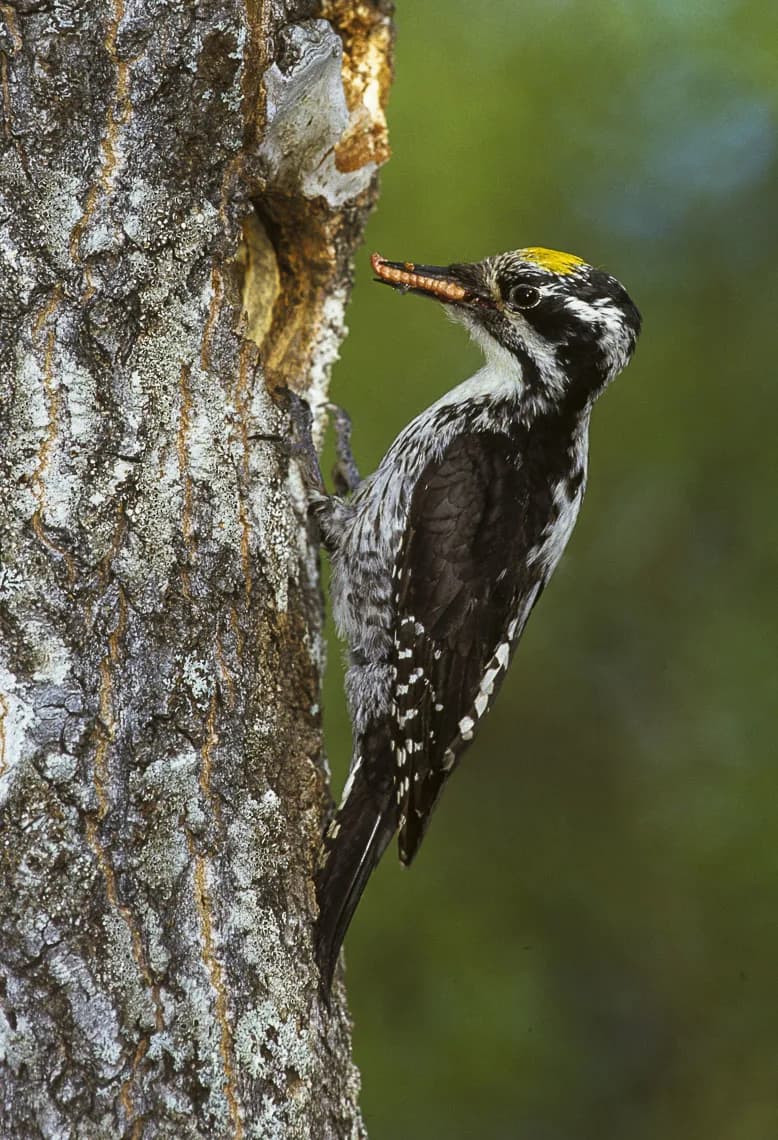
On 10 June 2025, researchers saw two woodpeckers carrying food to a hole in a living spruce. The tree stood at about 1,070 m above sea level, with the nest cavity 6.5 m above the ground. Photographs and recordings made two days later showed at least two chicks.
Michał Bryja, Romuald Mikusek and Paweł Kmiecik described the brood in the regional natural history journal Przyroda Sudetów. Poland’s State Forests announced the finding in October 2026. The previous confirmed nesting record in Silesia came from near Duszniki-Zdrój in 1896.
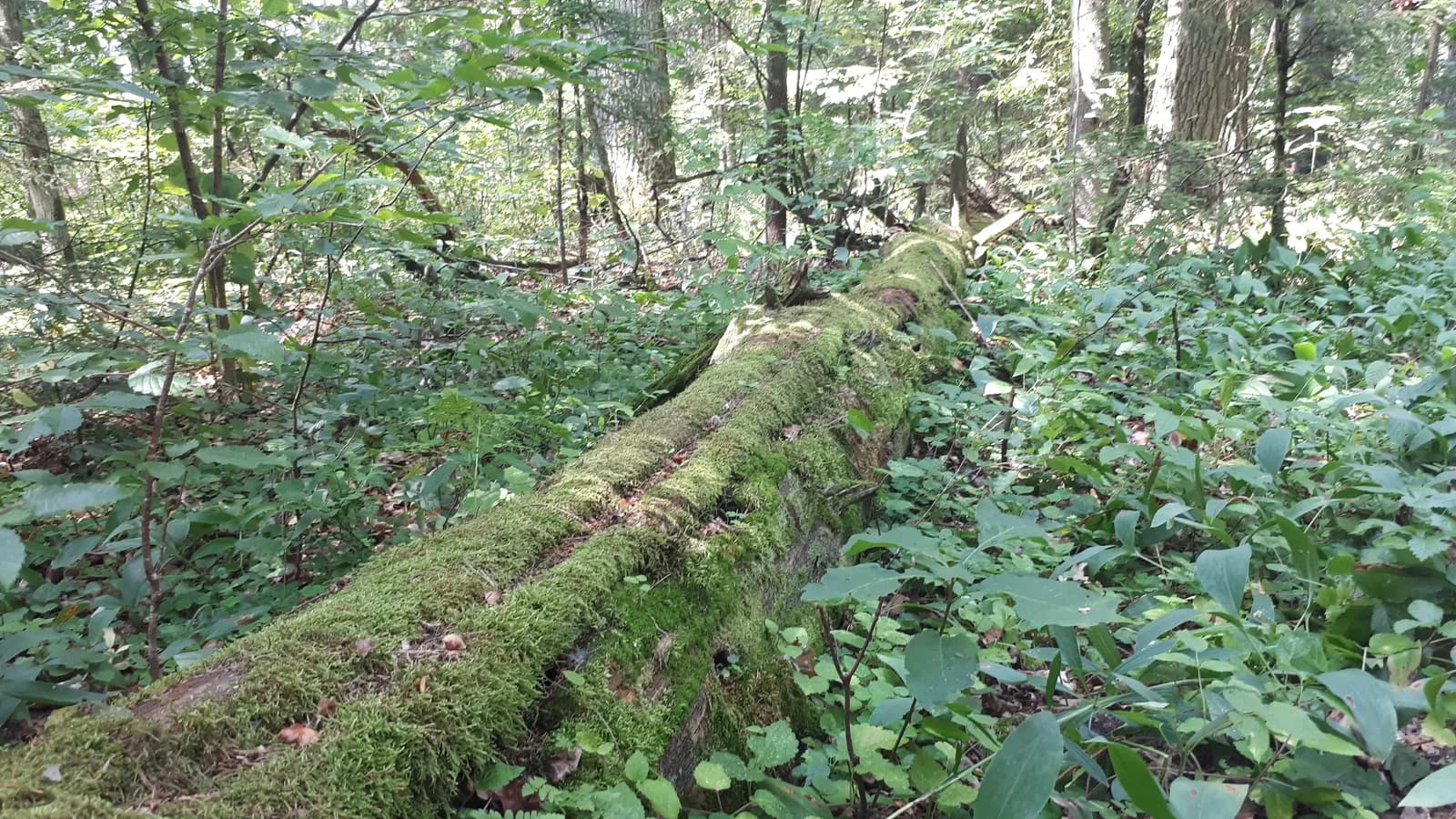
Forestry work around Mały Śnieżnik had been kept to a minimum for nearly four decades. Dying trunks were left standing in the mountain spruce forest, giving the birds places to forage. The area became a reserve in April 2025.
An estimated 1,000–1,400 pairs breed in Poland, mainly in the Carpathians and the north-east. The three-toed woodpecker is classed as near threatened on Poland’s red list of birds.