Gdańsk pupils win Poland’s Technikon contest with a plan to measure air pollution using light
A team from the No. 14 communications technical school in Gdańsk won Poland’s Technikon ESA competition. Their project measures atmospheric pollution using light sensors, and the final was held in Kraków.
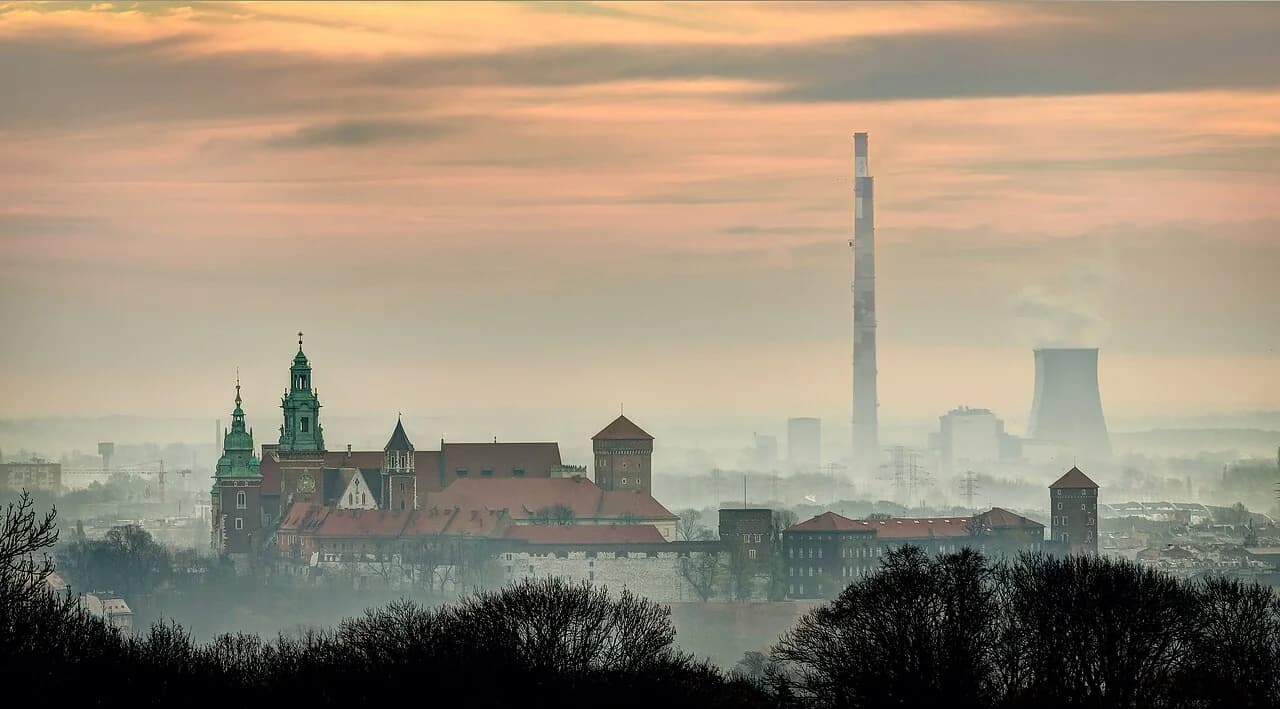
Technikon is run by NASK, a Polish state research institute, as part of its Educational Anti-Smog Network (ESA) programme. NASK announced the results of the fourth edition on 23 November. Earlier finals took place in Wrocław (2023), Toruń (2024) and Lublin (2025). The winners, the unPolluted ZSŁ team from Technikum Łączności nr 14 in Gdańsk, entered a project titled “Measuring atmospheric pollution with innovative light sensors”.
Teams of four come from technical schools (technika, five-year vocational secondary schools) and from general secondary schools with a science or technical profile, each with a supervisor from their school. A school can enter as many teams as it likes. The topics are air pollution, climate change and cybersecurity. Project outlines were due by 30 June. Twenty teams went through to the second round and ten to the final.
The final had three parts, with the points added together. In Technikon SHOW the teams presented prototypes, models and apps to the jury. In Technikon TEST each pupil sat a knowledge test, and in Technikon CHALLENGE the teams competed in a quiz that tested knowledge, reaction speed and teamwork. The jury included experts from NASK, the AGH University of Kraków, the Polish Smog Alert campaign group and the Climate Education Foundation.
Second place went to ROJDA ESA Team from Technikum nr 1 in Kartuzy for SmartAir School, a system to monitor smog and automatically improve the air in classrooms. The same team won the audience award, voted by guests and online viewers. Third was Code4Earth from Technikum nr 4 in Tarnów with EcoVision/GreenTwin, a planner and simulator for land reclamation. Code4Earth also took the “Knowledge Titans” award for the best test score.
Among the other finalists, a team from Wrocław proposed a swarm of drones to map smog, and a team from Słupsk a smart wind turbine that would also clean the air. Another Tarnów team built a digital twin of its school that regulates the temperature and humidity of each classroom, to keep pupils comfortable and cut heating costs.
The prizes were worth more than 100,000 złoty in total. The winning school received a mobile computer lab with 16 laptops, and the winning pupils and their supervisor each got a laptop. Every finalist team earned its school a 2,000-złoty card for educational materials. “The most important thing is that you want to do this,” Barbara Leśniczak, head of the ESA programme at NASK, told the finalists.